How to run a greener rental business
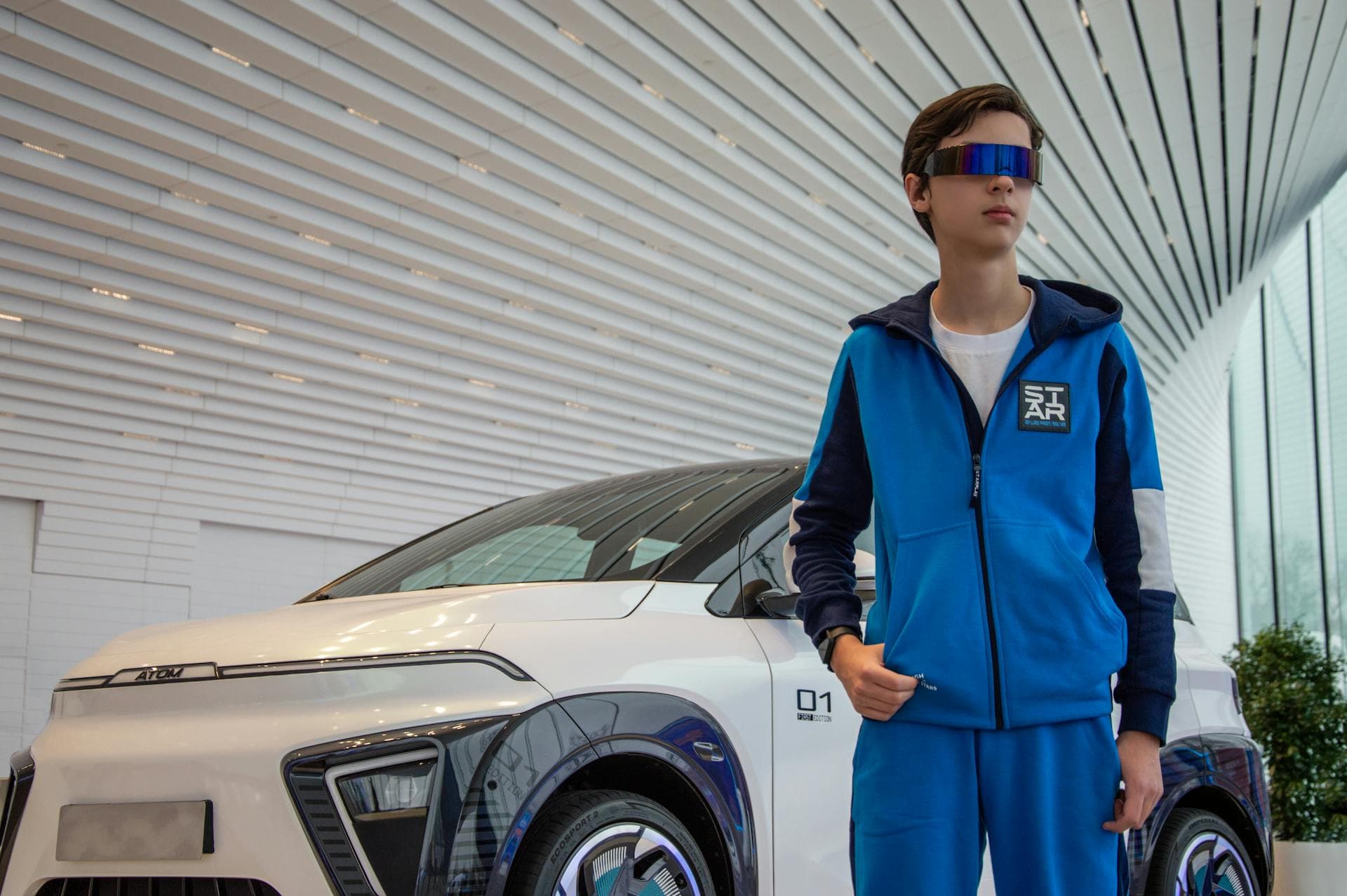
Some of the green changes in a rental business are plain good organisation: less paper, less waste and a fleet sized to demand. Electric cars make sense where customers want them and where the charging numbers add up.
- Sustainability
- Electric Vehicles
In this post
A rental business has two reasons to take up environmental practice, and neither is a line from a brochure. If customers ask for electric and lower-emission cars, a few of them in the fleet change what the business can offer. The second reason is more down to earth: many green changes are simply good organisation of the work, meaning less paper, less waste and a fleet sized to actual demand. This piece sticks to changes a rental with a few to a hundred vehicles can realistically make, and it does not hide that some of them cost time or money up front.
Electric cars in the fleet
A model chosen for how renters drive
The choice of model starts with how renters actually drive, not with the longest range on the market. Short city rentals and airport runs rarely need 500 km of range. A mid-range electric car covers them and is usually cheaper to buy and insure. Weekend and touring rentals are a different matter, because the renter's worry about range then becomes the rental's support problem. The model is matched to the job, and before deciding the rental checks that parts and servicing are available locally.
Charging needs a plan
An electric car on a charger is not earning. Even fast charging takes longer than filling a tank, so a car returned with, say, 15% battery needs a break before it goes out on the next rental. That break has to fit between the return and the next pickup.
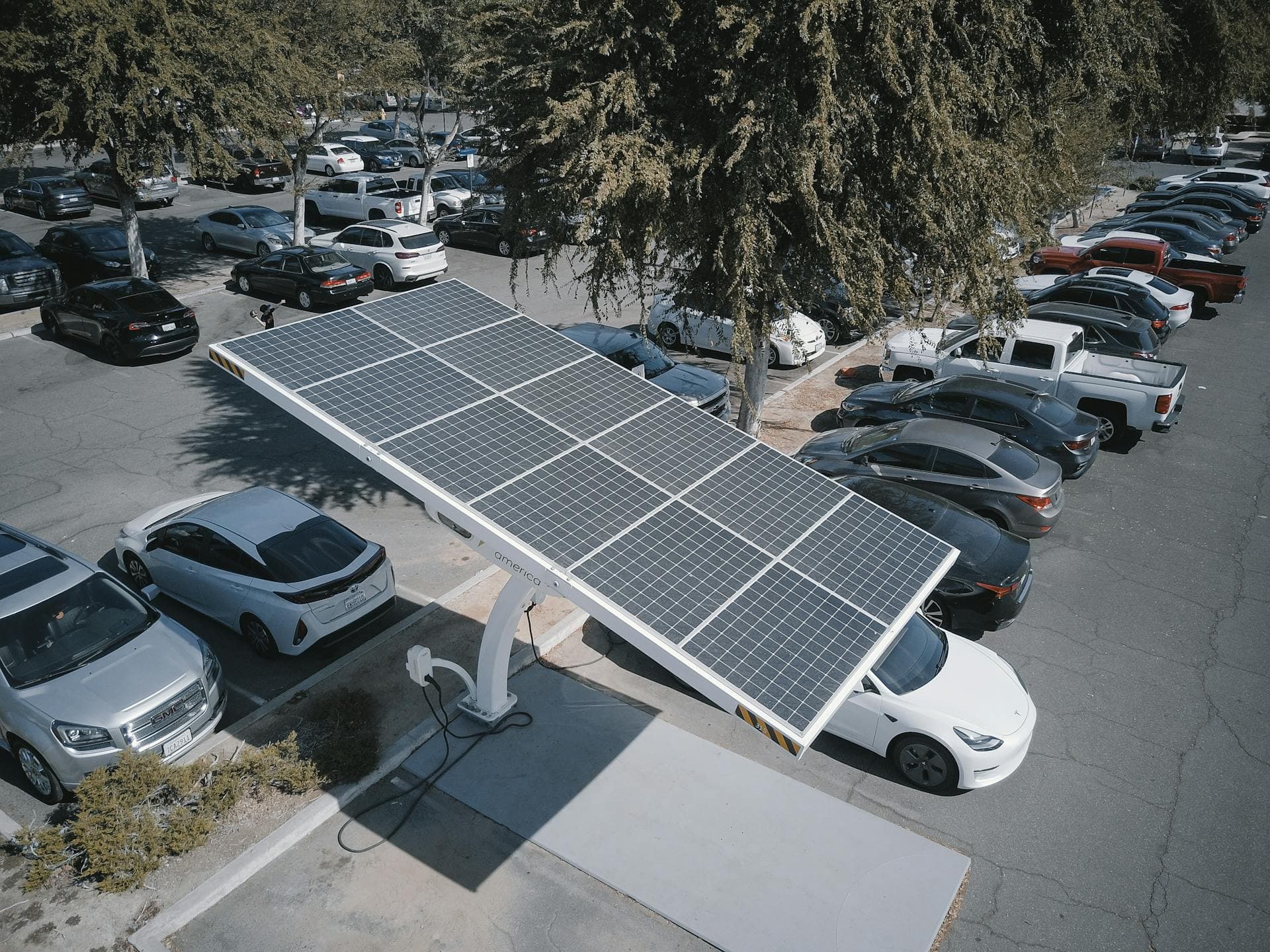
One or two chargers on site shorten the break, but their cost has to be taken seriously. Public networks help, although the rental has no say over their availability or prices. The renter gets a short, honest sheet: where to charge nearby, roughly how long it takes and what a session costs. Expectations set at pickup save complaints later.
Incentives, if the numbers add up
A small discount, a loyalty point or a car handed over fully charged can persuade a customer to pick the electric car over a petrol one. Such an incentive makes sense only when the electric car's lower running costs actually cover it. Cutting the price below cost in order to look green has no justification.
Helping renters drive efficiently
For some renters, an electric car from the rental is the first one they have driven. A few simple tips at pickup save them battery and save the rental phone calls: a steady speed, regenerative braking on the way downhill, and not leaving the car switched on just to heat the cabin. With hybrids the same calm-driving principle applies. The tips fit on one card or one screen, because nobody reads a brochure in a car park.
Less waste day to day
This is where the least glamorous and most honest savings are. Most of them apply to any rental business, including one without a single electric car.
Pickup and return can do without paper. A contract signed on a tablet and the vehicle's condition marked on a diagram instead of a printed sheet remove a real stack of printing, and staff work faster. Every contract not printed and every photo not printed for a folder is a small but real saving.
A fleet sized to demand has a better balance. An idle car was manufactured, is insured, loses value and earns nothing. Utilisation tracked for each vehicle shows which cars stand idle and are candidates for sale. A smaller, busier fleet costs less and weighs less on the environment.
Scheduled servicing counts too. A well-maintained vehicle uses less fuel or energy, lasts longer and needs replacing less often. Even tyre pressure affects range and consumption, which is why a service log kept up to date has a direct effect here.
That leaves the small things. Cleaning products bought in larger containers mean less plastic, and old tyres, batteries and parts go to a proper collection point rather than into the skip. Each of these is minor on its own, but over a year they add up.
No slogans, honest tradeoffs
Running a cleaner rental does not take a sustainability department. A business that has made the changes described here has something to tell customers without marketing slogans or certificates it cannot back up. It is also upfront about the tradeoffs, such as charging time and range, and the better numbers come from doing the dull things well.
About the authors
We write about running a rental business: customers, the fleet, regulation and finance. Articles on the law are based on the legal acts and sources listed at the end of each piece, and state the date of the law they describe. They do not replace legal advice.
Try OneRental on your fleet
30 days free, no card needed. We move your fleet and bookings in for you.
Start free