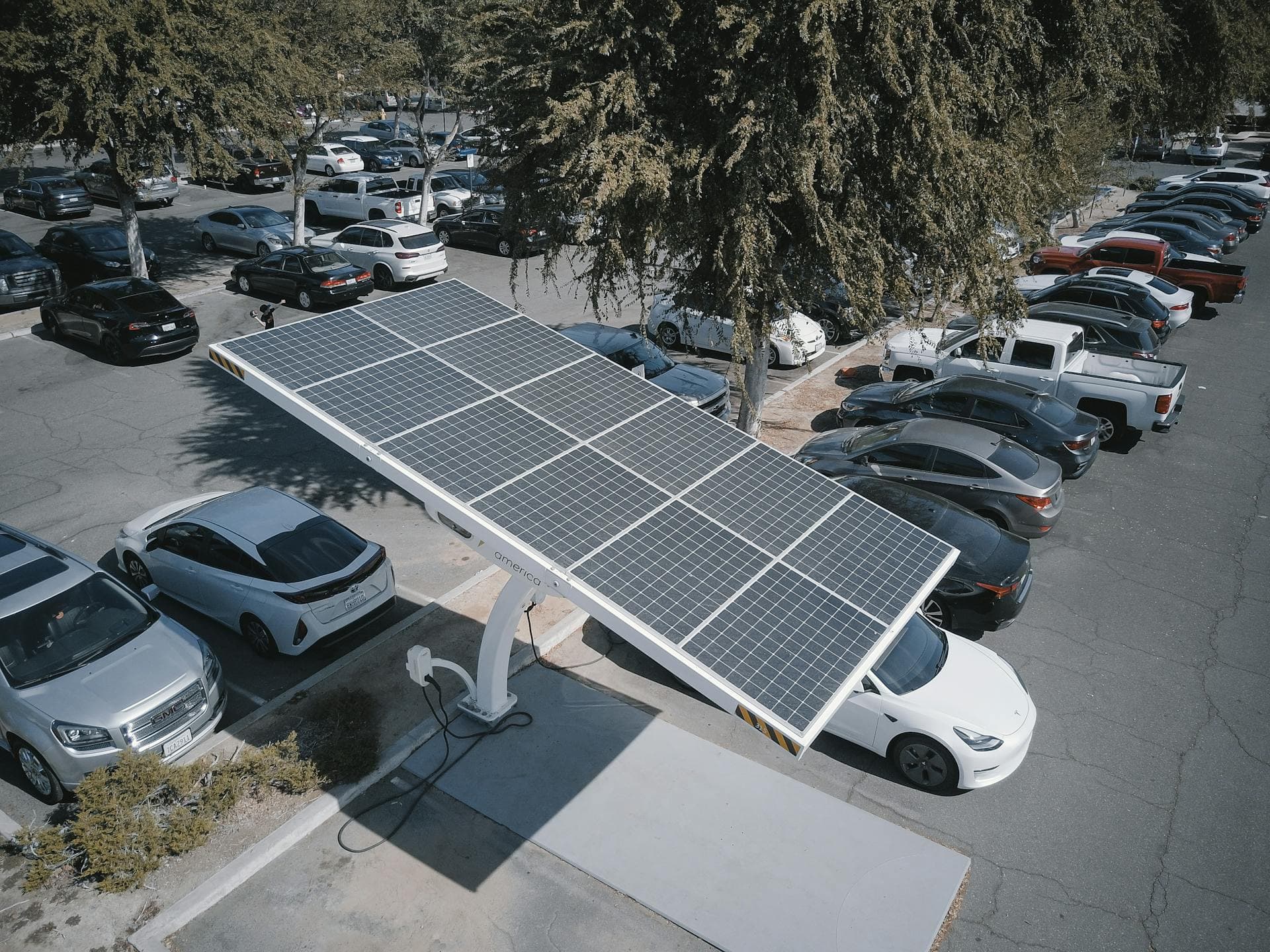
Electric cars, self-driving and car-sharing: what actually affects your fleet
Of the three changes written about most, the electric car is the one that reaches a small rental first, and buying one is a matter of arithmetic. Self-driving calls for no decision today, while car-sharing has changed what some customers expect from booking.
- Electric Vehicles
- Autonomous Driving
- Shared Mobility
- Sustainability

In this post
Electric cars, self-driving vehicles and car-sharing are standing topics in writing about the future of transport, usually from the point of view of manufacturers and city planners. A rental business with a fleet of a few to a hundred vehicles needs a different answer: which of these changes affect it now, and which can wait. The future of mobility reaches a small fleet in pieces. It shows up as one electric car whose purchase has to be costed, one customer who wants to book from a phone, and one damage claim that photos have to settle. The examples here are about cars, but the same reasoning holds for any vehicle fleet.
The electric car: the numbers before the purchase
An electric car is the change that reaches the fleet first, and three items decide whether to buy one.
The first is charging downtime. A car on a charger is not out on hire. With slow overnight charging, a return and a fresh pickup on the same day are off the table, so the rental either budgets for a fast charger on site or accepts that every electric car loses rental hours a petrol car would keep.
The second is the deposit and damage. A battery pack is expensive, and on some models so are body panels. A deposit set against the real cost of repair, rather than the rate used for a comparable petrol car, matches that risk. Photos of the same points at pickup and return allow a claim on the battery or the underbody to stand up.
The third is resale value. A rental that sells its cars after two or three years works out total cost including the price it will get for them. With an electric car that assumption can move the result more than the fuel savings do, so the sums are run on the rental's own holding period with a cautious resale price.
If the numbers work on one or two cars, the rental can add them and watch utilisation. If they do not, waiting a year costs little.
Self-driving: a decision for later
A driverless car pulling up at a customer's door makes a good demonstration. For a fleet of a few to a hundred vehicles it is not a decision for the coming years. Before it becomes a buying decision, the rules and the insurance for such vehicles have to be settled, and there is nothing here to plan for this year or next.
One thing from this subject does apply to a rental today: orderly condition records and a written pickup process. Whatever the fleet runs in five years, disputes go to whoever can show what state a vehicle was in when it left the yard.
Car-sharing: a signal about customer expectations
Car-sharing and app-based ride services have taught some customers to expect booking in a few minutes, a price known up front and no paperwork at pickup. Customers bring the same expectations to a rental, whether or not the business ever runs a car-share scheme.
Meeting them does not take a car-sharing platform, because smaller changes are enough. Online booking shows the price before the customer commits. The offer includes flexible rental lengths, short ones too, if the fleet can absorb the extra pickups and returns. Paperwork at pickup is short enough for a regular customer to be on the way quickly. Each of these changes works on the fleet the rental already has.
What can be done this year
Getting a rental ready for what comes next comes down to four areas. The first is booking: customers book online and see the price before they arrive. That change can be made straight away.
The second area is fleet decisions. When testing electric cars, the rental records utilisation and charging downtime for each car separately, so the next purchase rests on its own figures rather than a manufacturer's brochure.
The third is records. A vehicle's condition recorded at every pickup and return settles today's damage disputes and protects the business whatever it rents in a few years.
The fourth is regulation. Rules on electric cars and charging in the regions where the rental operates apply to its fleet from the first electric car, which is why they are followed as they change.
About the authors
We write about running a rental business: customers, the fleet, regulation and finance. Articles on the law are based on the legal acts and sources listed at the end of each piece, and state the date of the law they describe. They do not replace legal advice.
Try OneRental on your fleet
30 days free, no card needed. We move your fleet and bookings in for you.
Start free